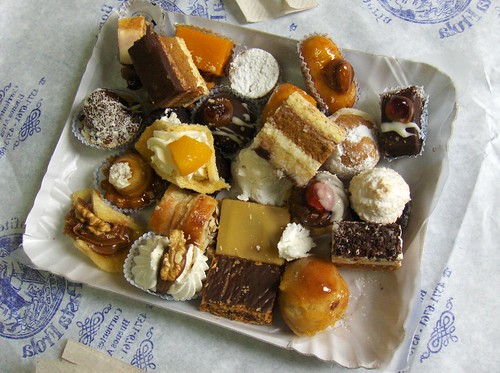
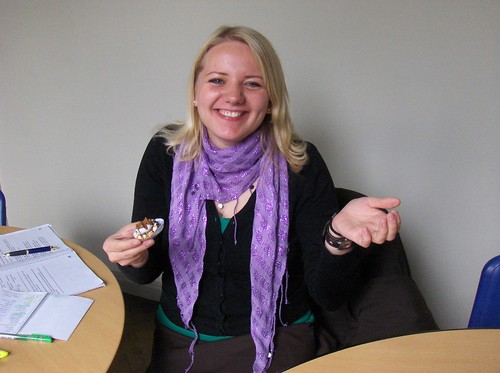
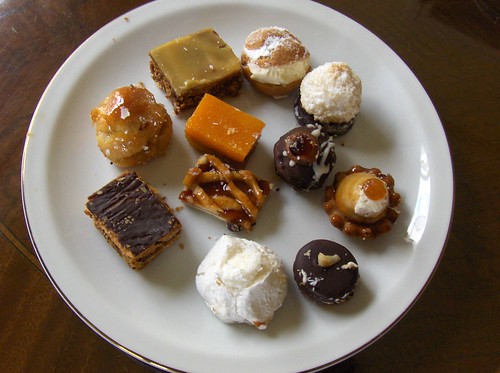
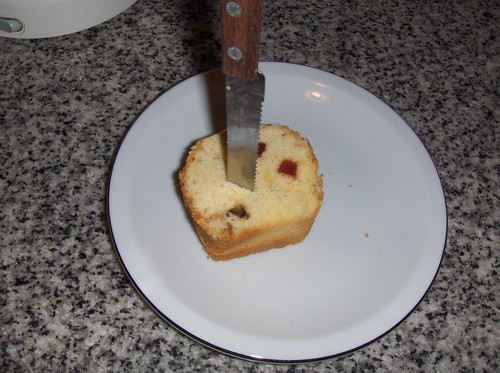
I hope that the photos, and the look of bliss on Katrin's face, capture the superior quality of these particular baked goods, known locally as 'masas finas' (fine pastries).
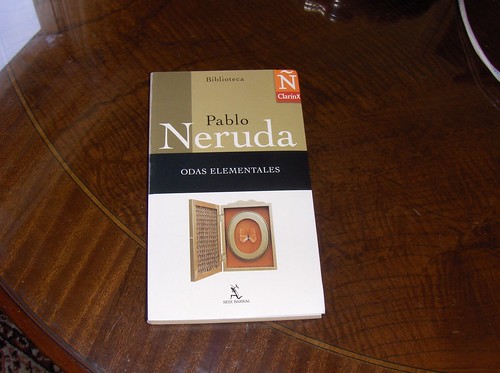



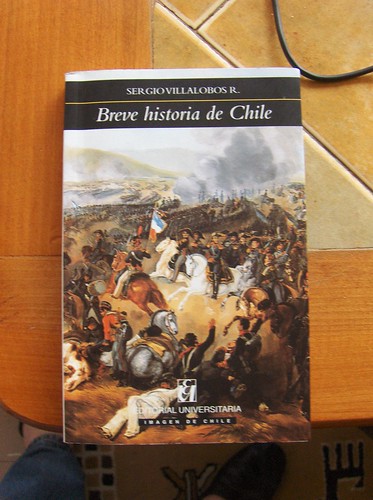
Who knew jellyfish could write? I'd use the word "emasculated" to describe the author of this pathetic "short history of Chile" if it weren't obvious that to do so would be a grievous inaccuracy. Sergio Villalobos Rivera never had cojones to begin with. Hell, on the evidence, SVR doesn't even have a backbone. Which may warrant the creation of a new bookshelf in my collection - one for "written by invertebrates".
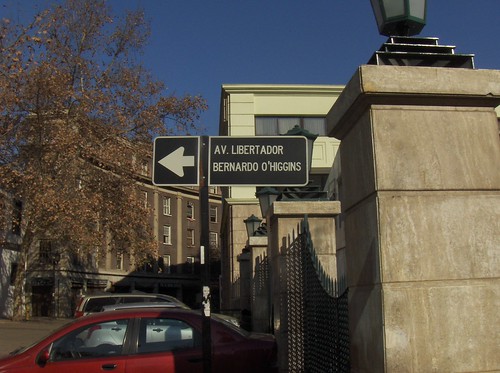
OK, OK. Let me back up. All I was looking for was a "brief history of Chile", as the title of this execrable "book" promised. Enough to get me oriented, so that I wouldn't feel like a complete tourist-bozo during my weeks here in Santiago. Enough to distinguish Ambrosio O' Higgins from his progeny, Bernardo. And maybe to figure out just why the latter is known all about town as "El libertador", even to the extent of having Santiago's main drag named after him. (Understanding why and when the O' Higginses left Ireland would have been lagniappe, as would any available information about Viscount Mackenna, after whom the street where my school is located is named).
Now, believe me, I understand completely that your average reader of this blog probably gives a flying Wallenda about the history of Chile. (Though if you were a U.S. citizen of voting age back in 1973, you might want to ask yourself if such insouciance is wholly justifiable, know what I'm saying?). But please bear with me here. If I don't get some of the incensitude that this "book" has provoked off my chest, I may just blow a gasket. And I shudder to think what Kaiser Permanente's coverage of gasket replacement in a Latin American capital might be.
What's so appalling about this book? Well, everything, really. Here's a short list:
* Despite its 200-page length, it's virtually devoid of information. There's a plethora of generic, meaningless, illustrations which help to take up space, but add nothing whatsoever. Examples: page 78, woodcuts of "mujeres chilenas" in quasi-national garb; page 73, drawing of generic pirate ships; page 66, peasants using wooden ploughs; page 67, a generic grain mill; page 117, drawing of a gentleman in the costume of the era; page 124 drawing of an impoverished peasant; page 114, a ball in the governor's palace; page 93, woodcut of the "building of the tribunal of the consulate", page 58, daily life under the conquistadors. Any of these freaking illustrations could be inserted into the history of any 'brief history" of any Latin American country and nobody would be any the wiser.
* Such text as there is in the book has the texture of cotton wool. Cliche follows platitude follows cliche follows platitude. After a couple pages, you have to stop, because you can actually feel your brain rotting inside your head.
* That spineless quality, alluded to earlier. The fall of the government of Allende is dispatched in less than a paragraph. the atrocities that followed under Pinochet get fewer than 3 lines, including the desultory observation that "more than 3000" people died. The closest Sergio ("Medusa") V-R comes to expressing anything approximating a point of view is to allow that the political situation in 1973 was "very confusing".
"Bah, humbug!", say I. If you are incapable of formulation an opinion, dumbass, then you are not qualified to be writing history books.
On the plus side, I only paid $8 for this piece of basura. But, to put it another way - I PAID 8 DOLLARS FOR THIS PIECE OF TIME-WASTING RUBBISH?
Caveat lector. If, for whatever reason, you are interested in learning more about the history of Chile, be assured you won't find anything pertinent here.
Gaaaaah! Fade, to the sound of gaskets blowing....
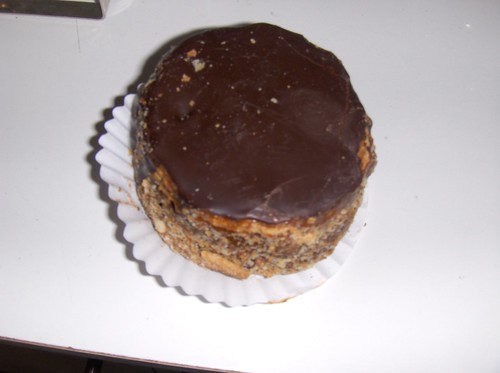
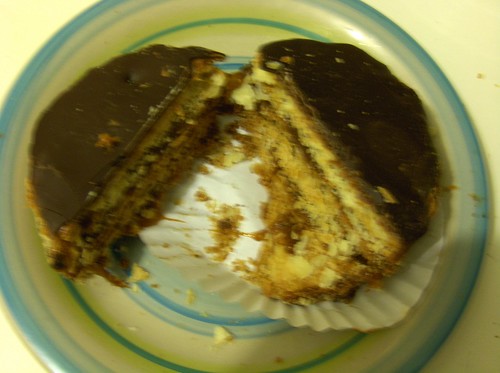
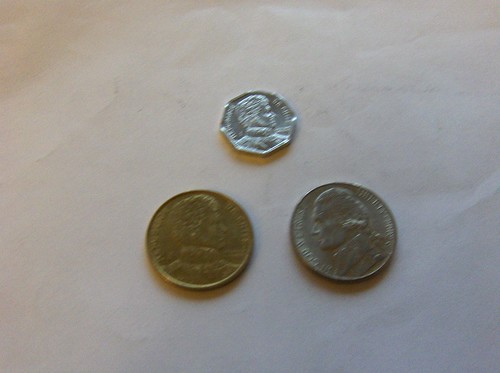

On the plus side:
Marginal to neutral:
Firmly in the negative column:

Andrew Marvell, 1621-1678
OK. I admit it. I've always had a certain fondness for those metaphysical poets. Marvell may not be quite at the level of Donne, but "To his Coy Mistress" is a delight from start to finish.
The plain people of Ireland: What is this? This blog is nothing but recycled poetry and whining.
The management; I understand how that impression could arise, but here at MOTP central we are actively working on the problem. Have a little patience, my little empanaditas!





Little WillieLate last night I slew my wife,
Little Willie, feeling mean
Pushed his sister through a screen
Mother stopped his innovations
Said it made for strained relations.
Willie and three other brats
Ate up all the Rough-On-Rats;
Papa said, when Mama cried,
"Don't worry, dear, they'll die outside."
Necessity
"Ruthless Rhymes for Heartless Homes"
 "Col. D. Streamer" (pseudonym of Harry Graham)